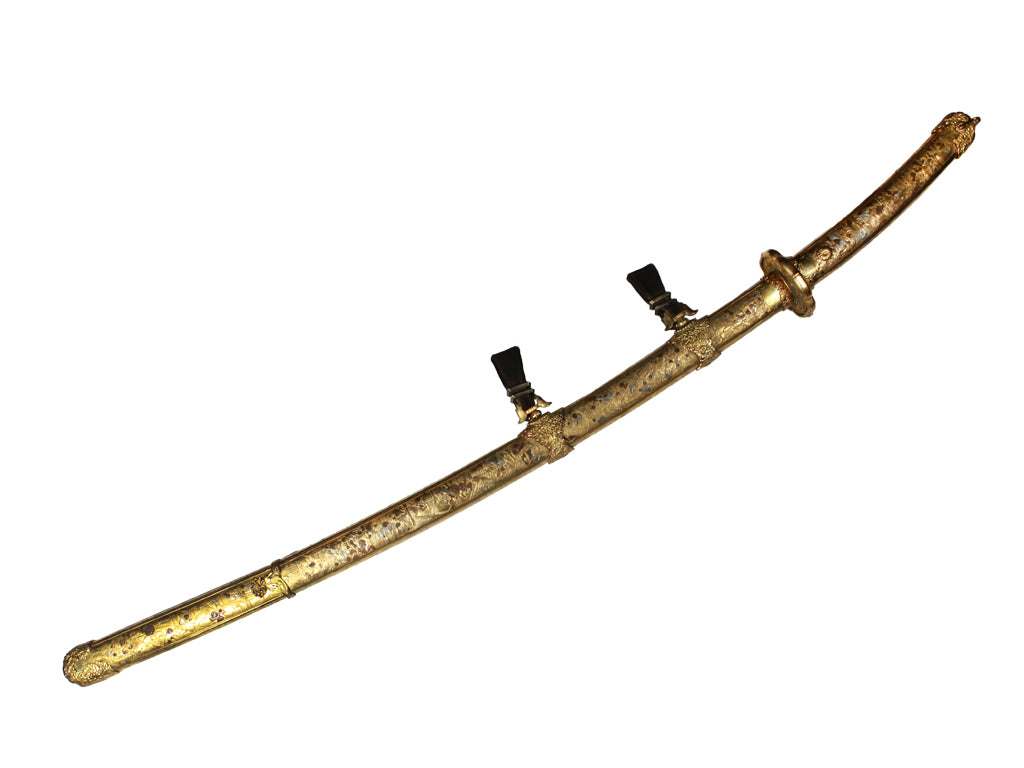
For those passionate about the history and craftsmanship of Japanese swords, few figures loom as large as Miyamoto Musashi. A renowned samurai and swordsman of the 17th century, Musashi's legacy extends beyond his martial prowess to the exquisite blades he wielded. Collectors and enthusiasts alike seek to understand not only the technical specifications of these swords but also the stories and philosophies behind them. This pursuit often leads to a deeper appreciation of the art of sword-making and the cultural context surrounding these iconic weapons.
As collectors delve into the intricate world of Musashi's swords, they uncover a fascinating blend of artistry and functionality. Each sword, crafted from high-quality tamahagane steel, is a testament to the skill of the artisans who forged them. The quest for authenticity in these pieces is paramount, as collectors aim to acquire swords that not only reflect Musashi's legendary status but also embody the rich traditions of Japanese sword-making. This article explores what collectors should consider when seeking Musashi swords, providing insights into their significance, craftsmanship, and the historical context that makes them so coveted. Musashi Miyamoto Katanas
Understanding the allure of Musashi's swords requires a journey through history, craftsmanship, and cultural significance. Musashi's unique approach to swordsmanship, articulated in his famous text, "The Book of Five Rings," emphasizes the philosophy behind his technique and the importance of understanding one's weapon. Collectors are not merely interested in acquiring a piece of history; they seek to connect with the ethos of Musashi himself. This connection often motivates collectors to learn about the various types of swords, their unique features, and the legacy of Musashi's teachings, shaping their approach to both collection and martial practice.
Miyamoto Musashi is more than just a historical figure; he is a symbol of the samurai spirit and the pinnacle of swordsmanship. His dual-wielding techniques and undefeated record in over 60 duels have garnered him a legendary status that transcends time. Collectors often find that owning a sword associated with Musashi provides them a tangible link to this storied past. The legacy of Musashi embodies values such as discipline, strategy, and artistic expression in martial arts, making his swords sought after by practitioners and collectors alike.
Musashi's influence extends into various forms of art and literature, shaping the perception of the samurai in modern culture. His writings offer profound insights into not just combat techniques but also the mental discipline required to master the sword. Collectors who study his philosophies often find that their appreciation for the swords deepens, as they begin to understand the profound relationship between the warrior and his weapon. This connection enriches the collecting experience and transforms it into a personal journey of growth and understanding.
Moreover, the historical context of Musashi's life—marked by the tumultuous times of feudal Japan—adds a layer of significance to his swords. Collectors often seek to learn about the socio-political landscape of the era, as these factors influenced sword design, usage, and the very culture of the samurai. Understanding this context not only enhances a collector's knowledge but also fosters a sense of stewardship over the artifacts they acquire, ensuring that the legacy of Musashi is preserved for future generations.
The craftsmanship involved in creating Musashi's swords is nothing short of extraordinary. Each blade is a product of meticulous attention to detail, honed by artisans who dedicate their lives to mastering the art of sword-making. The traditional process involves folding high-quality tamahagane steel multiple times to create a blade that is not only strong but also flexible. This technique results in swords that are renowned for their sharpness and durability, characteristics that collectors deeply value.
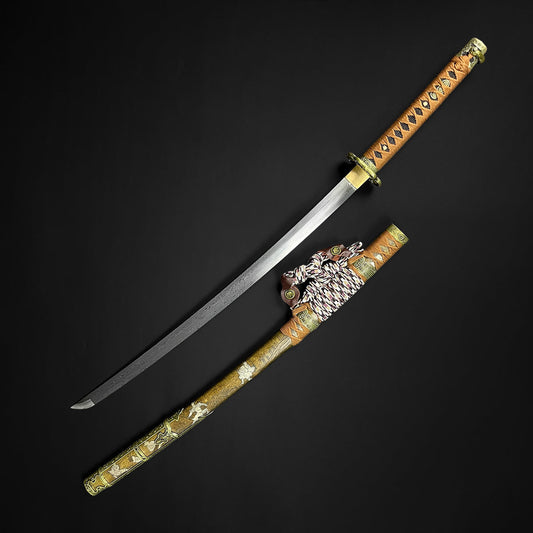
Moreover, the aesthetics of the sword play a crucial role in its appeal. Beyond functionality, the beauty of the blade, the intricacy of the tsuba (guard), and the craftsmanship of the tsuka (handle) are all aspects that collectors examine closely. Each component serves a purpose, reflecting the philosophy of harmony between form and function that is central to Japanese sword-making. Collectors who appreciate this balance often find themselves drawn to specific features that resonate with their personal aesthetic preferences.
When it comes to collecting, authenticity is paramount. The market is rife with reproductions and imitations, making it essential for collectors to educate themselves on how to identify genuine Musashi swords. Key indicators of authenticity include the presence of a mei (inscription) on the tang, which is often the signature of the swordsmith. Additionally, the quality of materials and craftsmanship should be scrutinized, as genuine swords will exhibit superior finish and attention to detail.
Engaging with experts in the field is also a critical step for collectors. Many enthusiasts turn to appraisers or historians specializing in Japanese swords to authenticate their findings. This expert insight not only helps in verifying authenticity but also enriches the collector's knowledge, providing deeper context about the sword's history and significance. Networking within collecting communities can also lead to valuable resources and recommendations for reputable dealers, further ensuring that the pieces acquired are genuine.
